Cable Locking Systems
In shared environments like offices, co-working spaces, classrooms, and data centers, dozens of devices connect through network and USB cables every day. These cables are often left exposed and accessible, making it surprisingly easy for someone to unplug a connection, attach an unauthorized device, or accidentally disrupt critical systems. What may seem like a small action, disconnecting a cable, can quickly lead to network downtime, security vulnerabilities, or data risks.
This is where cable locking systems play an important role. By physically securing network and USB cords, organizations can prevent unauthorized access, avoid accidental disconnections, and add an essential layer of protection to their IT infrastructure.
Why Shared Environments Increase Cable Security Risks?
Shared environments such as corporate offices, co-working spaces, classrooms, healthcare facilities, and public workstations are designed for accessibility and collaboration. However, this open access can also expose critical network infrastructure to security risks. When multiple users interact with the same devices and connections, network and USB cables can easily become vulnerable points within the system. Without proper physical protection, these exposed connections can lead to unauthorized access, accidental disruptions, or potential data security issues.
- Easy Physical Access to Devices: In shared environments, multiple users often rely on the same computers, servers, or networking equipment. This means that network ports, USB ports, and connected cables remain easily accessible. Open ports and exposed cables can be unplugged, replaced, or tampered with in seconds, often without anyone noticing. This level of accessibility increases the risk of both intentional and unintentional interference with critical connections.
- Risk of Unauthorized Network Connections: Exposed network cables and ports also create opportunities for unauthorized devices to connect to the network. An attacker or unauthorized user may plug in a rogue device, laptop, or storage device to gain network access. This can lead to serious consequences such as data interception, unauthorized data transfer, or the introduction of malware into the organization’s systems.
- Accidental Disconnections: Not all security risks come from malicious activity. In busy environments where multiple people move around shared workstations or equipment racks, cables can easily be unplugged accidentally. A loose or removed network cable can disrupt connectivity, interrupt ongoing processes, and cause operational delays. Even a brief disconnection can impact productivity, system reliability, and service availability.
Cable Locking Systems
What Are Cable Locking Systems?
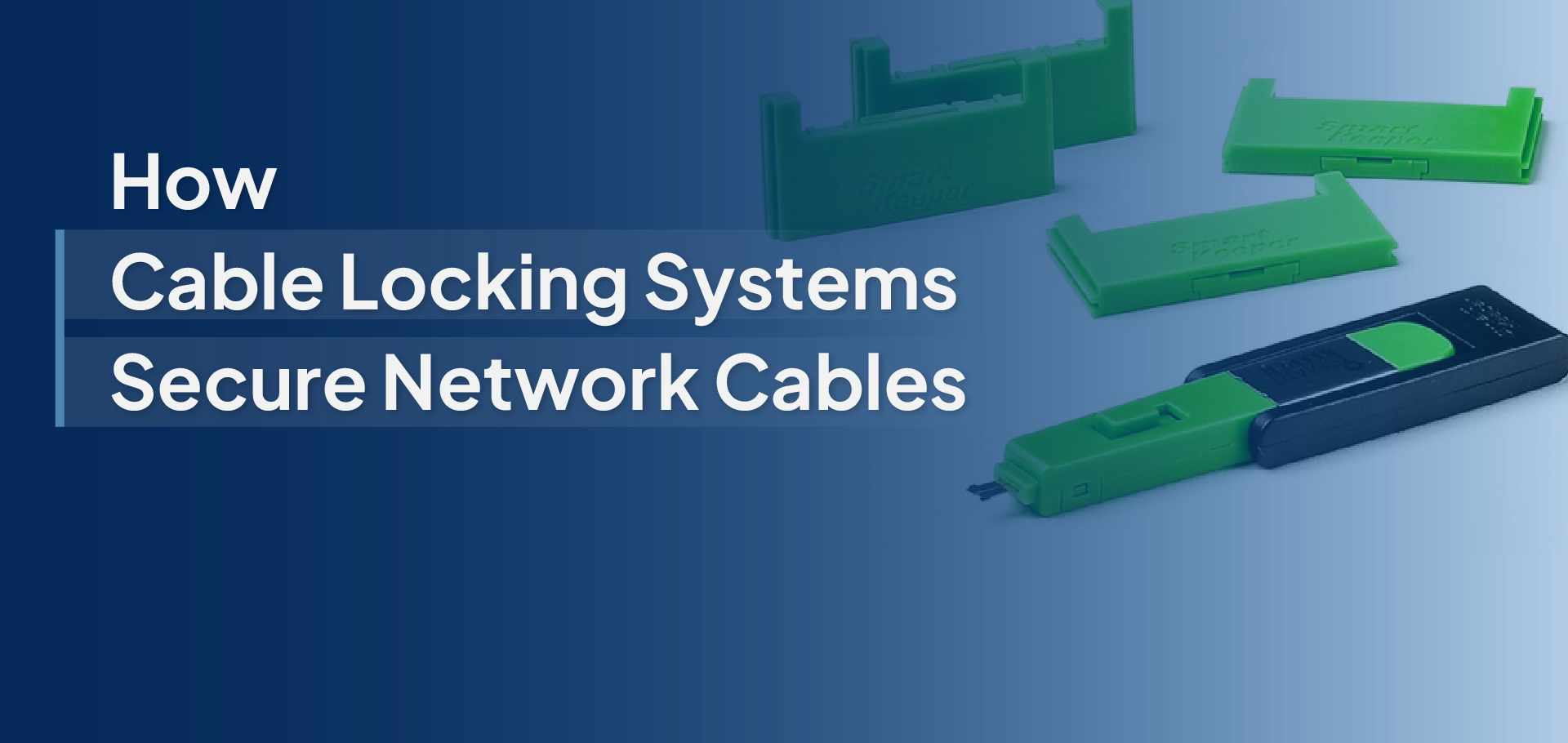
Cable locking systems are physical security devices designed to secure network and USB cables to their ports, preventing them from being unplugged or tampered with without authorization. These systems typically use a locking mechanism that attaches directly to the cable connector or port, ensuring the connection remains firmly in place.
To remove the cable, a specialized key or unlocking tool is required, allowing only authorized personnel to manage the connection. By protecting critical cables from unauthorized removal or replacement, cable locking systems help maintain network stability and strengthen the physical security of IT infrastructure.
How Cable Locking Systems Protect Shared Workspaces?
In shared environments where multiple users interact with the same infrastructure, securing physical connections becomes essential. Cable locking systems provide a simple yet effective way to protect network and USB cables from tampering, unauthorized access, and accidental disruptions. By securing connections at the physical level, organizations can maintain a more stable and secure IT environment.
- Prevent Unauthorized Disconnections: Cable locking systems prevent users from unplugging network or USB cables without proper authorization. Since the cables are secured with a locking mechanism, they cannot be removed easily without a designated key or tool. This ensures that critical connections remain intact and protected from intentional tampering.
- Protect Sensitive Network Connections: By securing cables to their ports, cable locking systems help prevent rogue devices from being connected to enterprise networks. Unauthorized users cannot simply unplug a cable and attach another device, reducing the risk of network intrusion, data interception, or malware introduction.
- Maintain Network Stability: In busy workspaces, cables can sometimes be unplugged accidentally while moving equipment or working around shared devices. Cable locking systems keep connections firmly secured, reducing the chances of accidental disconnections that could interrupt systems, services, or network access.
- Strengthen Physical Layer Security: While organizations invest heavily in digital security measures such as firewalls, encryption, and access controls, physical security is equally important. Cable locking systems add an extra layer of protection at the physical level, complementing existing cybersecurity strategies and helping safeguard critical network infrastructure.
Benefits of Using Cable Locking Systems
Cable locking systems provide a simple yet effective way to strengthen the physical security of network infrastructure. In shared environments where cables are frequently exposed and accessible, these systems help protect critical connections and ensure reliable operations.
- Improved Physical Network Security: Cable locking systems secure the network and USB cables directly to their ports, preventing tampering and helping protect sensitive network connections from unauthorized interference.
- Reduced Risk of Unauthorized Access: By locking cables in place, organizations can prevent unauthorized users from disconnecting cables and connecting rogue devices to the network, reducing potential entry points for cyber threats.
- Protection Against Accidental Cable Removal: In busy environments, cables can easily be unplugged by mistake. Cable locking systems keep connections firmly secured, helping avoid unexpected disruptions and downtime.
- Better Control Over IT Infrastructure: These systems ensure that only authorized personnel can remove or modify cable connections, giving IT teams greater control over network configurations and device access.
- Cost-Effective Security Solution: Compared to many other security measures, cable locking systems are affordable and easy to implement, making them a practical solution for enhancing physical cybersecurity across various environments.
Cable Locking Systems
Best Practices for Implementing Cable Locking Systems
To maximize the effectiveness of cable locking systems, organizations should adopt a strategic approach to their implementation. Start by identifying critical network and USB connections, such as those linked to servers, routers, switches, and shared workstations, and secure them first. It is also important to combine cable locking systems with other physical security solutions, such as USB port blockers, network port locks, and restricted access to server rooms. Finally, ensure that IT teams maintain proper key management and conduct regular security audits to identify exposed ports or unsecured cables. These practices help create a more reliable and secure network environment.
Why Choose SmartKeeper for Cable Security?
SmartKeeper provides specialized physical cybersecurity solutions designed to protect critical network infrastructure. Its cable locking systems are built to secure Ethernet and USB connections, preventing unauthorized access and accidental disconnections in shared environments. With easy installation, reliable locking mechanisms, and compatibility with modern IT systems, SmartKeeper solutions help organizations strengthen their physical network security while maintaining stable and controlled connections.
Explore how SmartKeeper’s cable security solutions can help safeguard network and USB connections in shared workspaces.
- What is a cable locking system?
A cable locking system is a physical security device that secures network or USB cables to ports, preventing them from being unplugged or tampered with without authorization.
- Why are cable locking systems important in shared environments?
They prevent unauthorized cable removal, reduce accidental disconnections, and help protect network connections in shared workspaces.
- Which cables can be secured using cable locking systems?
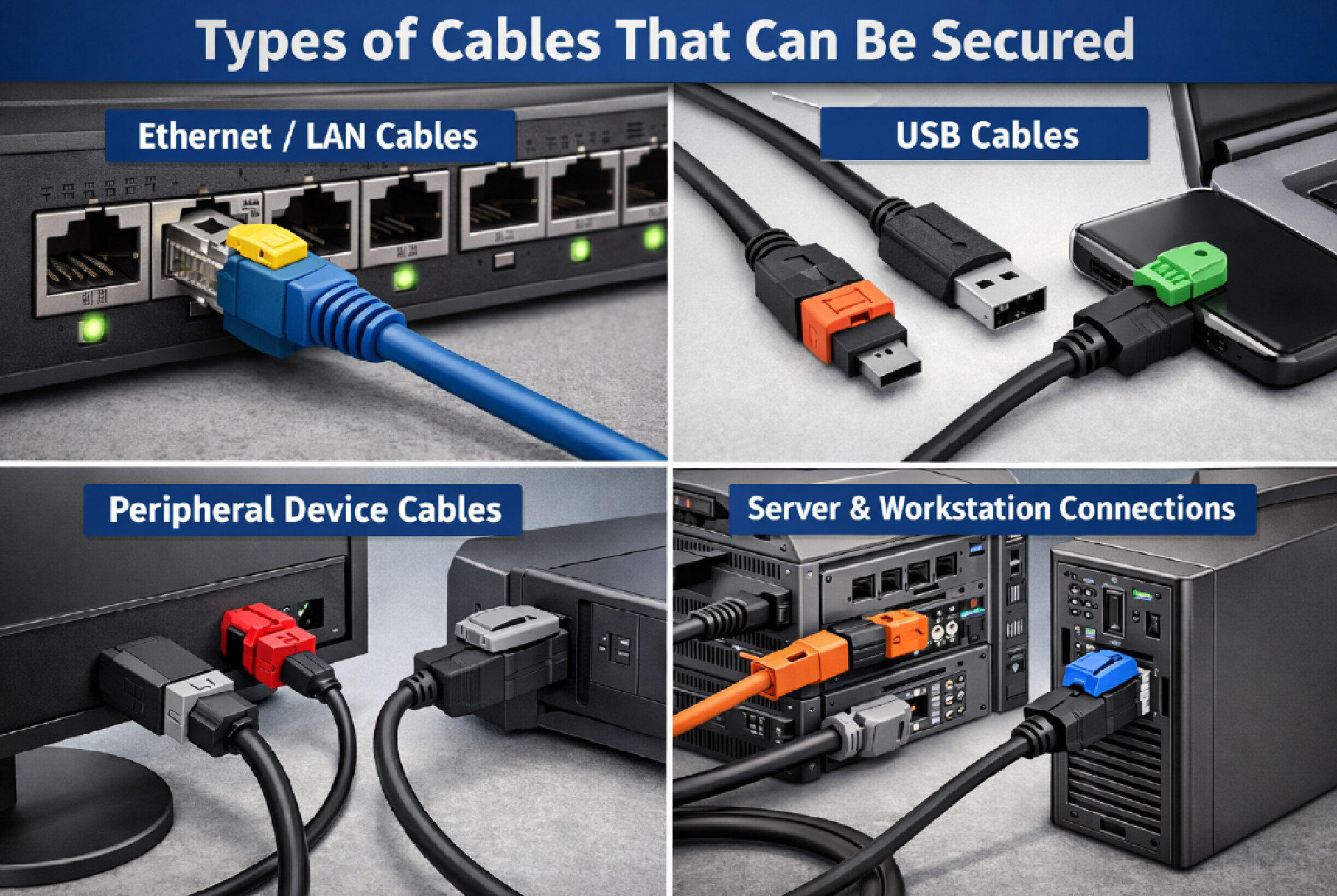
Cable locking systems can secure Ethernet/LAN cables, USB cables, peripheral device cables, and connections used in servers or workstations.
- Where are cable locking systems commonly used?
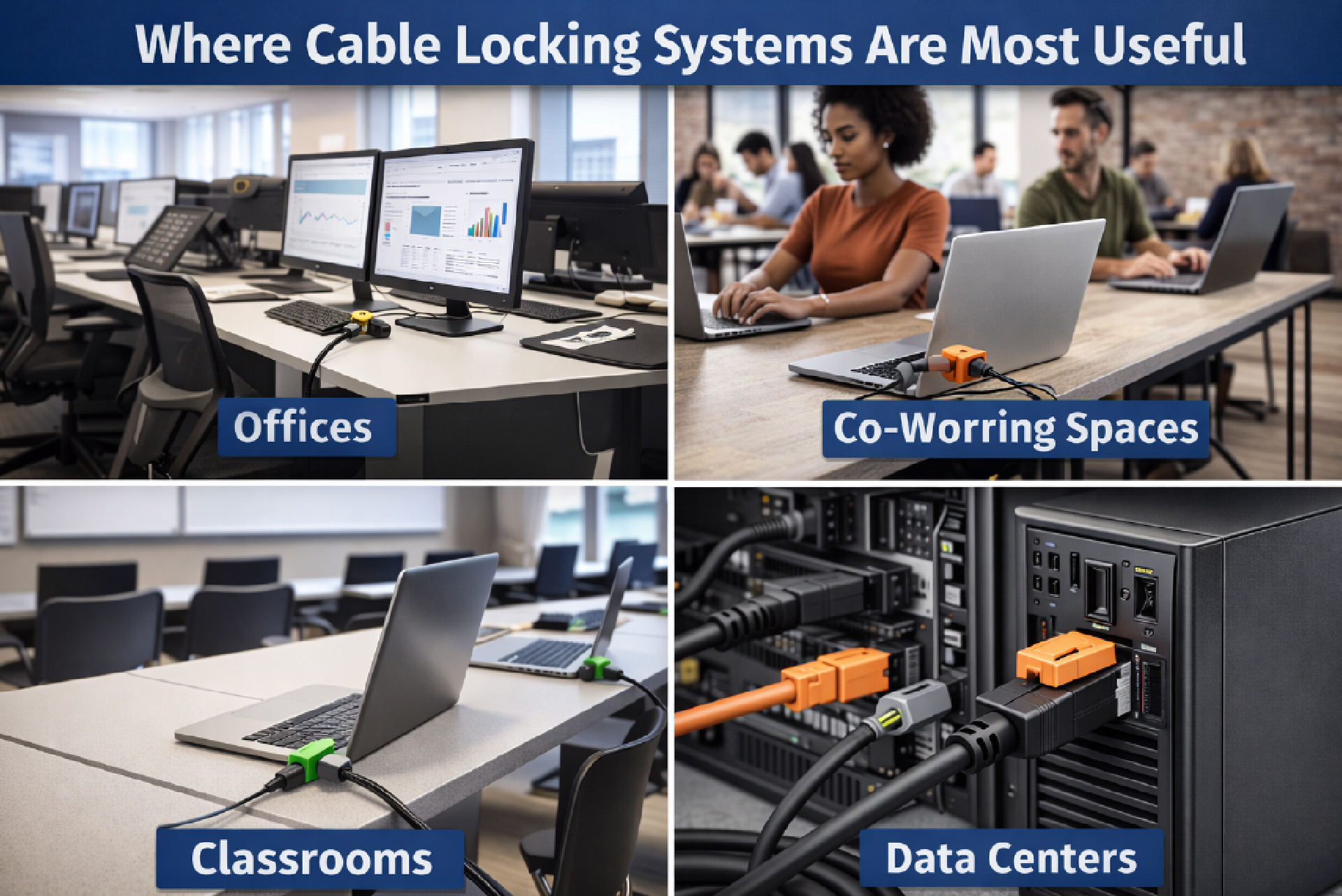
They are commonly used in offices, data centers, classrooms, healthcare facilities, and other environments where devices are shared.
- Do cable locking systems improve network security?
Yes. By preventing unauthorized cable access or device connections, they strengthen the physical security layer of an organization’s network infrastructure.